Emergencies, , 6 min read
What to do in an electrical emergency at home
Sparks, smoke, a shock or water pouring through a light fitting. Here is what to do first, what to leave alone, and when you need an emergency electrician.
In an electrical emergency, your priority is people, not property. If there is fire, smoke or someone has had a serious electric shock, get everyone away from the danger and call 999. If it is safe to reach and dry, switch off the power at the main switch on your consumer unit. Do not touch anything that may be live, and do not attempt a repair. Once everyone is safe, call a qualified emergency electrician to find the fault and make the installation safe.
We have been dealing with electrical faults in Buckhurst Hill and the surrounding parts of Essex and North East London since 1999. If you need an emergency electrician in Essex, these are the steps we would want anyone to follow, in order.
What counts as an electrical emergency?
Not every fault needs someone out in the middle of the night, but some do. Treat any of the following as an emergency:
- Smoke, sparks or flames from a socket, switch, light fitting, appliance or the consumer unit
- A burning or hot plastic smell you cannot trace to an appliance you can unplug
- Someone has had an electric shock from a fitting, appliance or exposed cable
- Water leaking into or near light fittings, sockets or the consumer unit
- Exposed or damaged cables, for example after drilling into a wall or a ceiling coming down
- Crackling, buzzing or popping from the fuse board or from behind a wall
- A total loss of power when your neighbours still have theirs, especially if someone at home relies on powered medical equipment or is elderly or vulnerable
Step by step: what to do first
- Get people clear. Move everyone, including pets, away from the fitting, appliance or area involved. If there is smoke or fire, get everyone out of the building, close doors behind you if you can, and stay out.
- Call 999 for fire or serious injury. Do this before anything else if there are flames or heavy smoke, or if someone is unconscious, burned or struggling to breathe after a shock.
- Do not touch. Leave sockets, plugs, switches, cables and appliances alone if they are hot, scorched, wet or damaged. Never use water on an electrical fire.
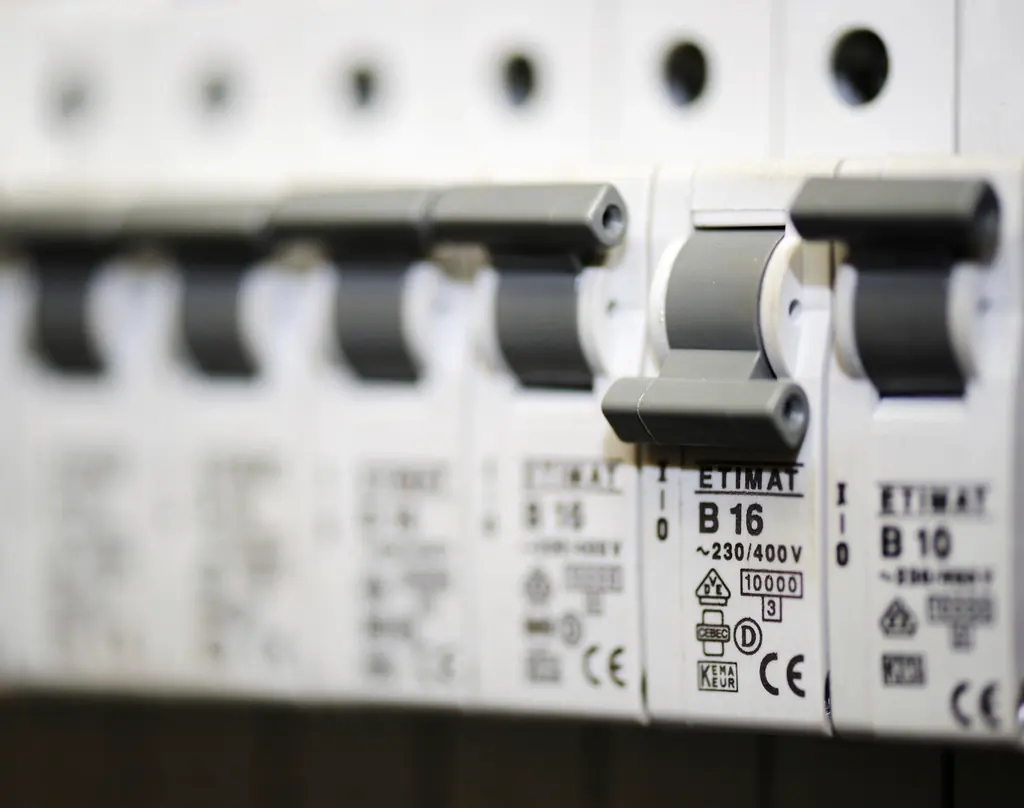
- Isolate the power if it is safe to do so. If your consumer unit is safe to reach and dry, switch the main switch to off. This cuts power to the whole property. If reaching it means going near the danger, standing in water or passing through smoke, leave it.
- Deal with the water source. If a leak is the cause, turn off the water at the stopcock, as long as you can reach it without going near wet electrics.
- Call an emergency electrician. Once everyone is safe, call a qualified electrician to find the fault and make the installation safe. You can reach our emergency electrician line on 07973 781349.
Water and electrics
Leaks from bathrooms, water tanks and burst pipes often find their way into ceiling light fittings, because water follows the cable routes down through the ceiling. If water is dripping from a light fitting or running down a wall near sockets:
- Do not switch lights on or off, and do not touch any fitting, switch or socket in the wet area
- Switch off at the main switch if the consumer unit is safe to reach and dry
- Turn off the water at the stopcock to stop the leak getting worse
- Keep people out of the room, especially if there is standing water or the ceiling is bulging
- Leave the power off until an electrician has checked the affected circuits, even if everything seems to dry out
Wet electrics can seem to work normally for a while and then trip, fail or overheat later. Water can also leave corrosion inside fittings and junction boxes that you cannot see. An electrician will test the insulation on the affected circuits before restoring power, and can often reconnect the dry parts of the house in the meantime.
What to tell the electrician when you call
A few details help us understand what we are dealing with and bring the right parts and test equipment:
- Your address and postcode, and the best number to reach you on
- What happened, in order: what you saw, heard or smelled, and what was switched on at the time
- Whether anyone was hurt and whether the fire service has attended
- Whether the main switch is off, and whether any circuit breakers or RCDs have tripped
- Whether the whole property is affected or only certain rooms or circuits
- Roughly how old the consumer unit is, and whether it has old-style fuses or modern switches
- Whether anyone in the property relies on powered medical equipment, or is elderly or vulnerable
If it is safe, a photo of the front of the consumer unit and of any scorch marks can also help. Do not go near a hazard to take a picture.
Can it wait until the morning?
Some problems are safe to leave overnight once they are isolated. As a rough guide:
- Call now: smoke, burning smells, sparking, scorching, water in electrics, exposed cables, anyone hurt, a consumer unit that is hot or buzzing, or no power at all when there are vulnerable people at home
- Can usually wait: a single circuit that has tripped and will not reset, such as one lighting circuit, as long as there is no smell, heat or damage and the rest of the house is working normally
- Can usually wait: a single socket or light that has stopped working with no other signs of trouble
If a breaker trips again as soon as you reset it, leave it off. Our guide to why a fuse board keeps tripping explains how to narrow the problem down safely. If the whole house has gone dark, check whether it is a network fault first: our article on telling a power cut from an electrical fault walks through the checks.
After the emergency
Making something safe is only the first step. Once the immediate danger has been dealt with, the electrician should explain what caused the fault and whether any further work is needed. That might be a simple repair, or it might point to wider issues such as an old consumer unit without RCD protection, or wiring that is past its best. An electrical inspection (EICR) gives a full picture of the condition of the installation, and our article on the signs your house needs rewiring covers what to look out for.
Any repair should be carried out by a registered electrician and tested to BS 7671, the IET Wiring Regulations. Some work, such as replacing a consumer unit or adding a new circuit, is notifiable under Part P of the Building Regulations. As a NAPIT-approved contractor we can self-certify that work, and you will receive the correct certificate for it.
If you have an electrical emergency now in Buckhurst Hill, Loughton, Chigwell or anywhere nearby, call 07973 781349.
Written by A Walsh ElectricalNAPIT-approved electricians based in Buckhurst Hill, looking after homes and businesses since 1999.