Emergencies, , 5 min read
Burning smell from a plug socket: what to do
A socket that smells like burning is a sign of overheating and should never be ignored. Here is what to do straight away and what usually causes it.
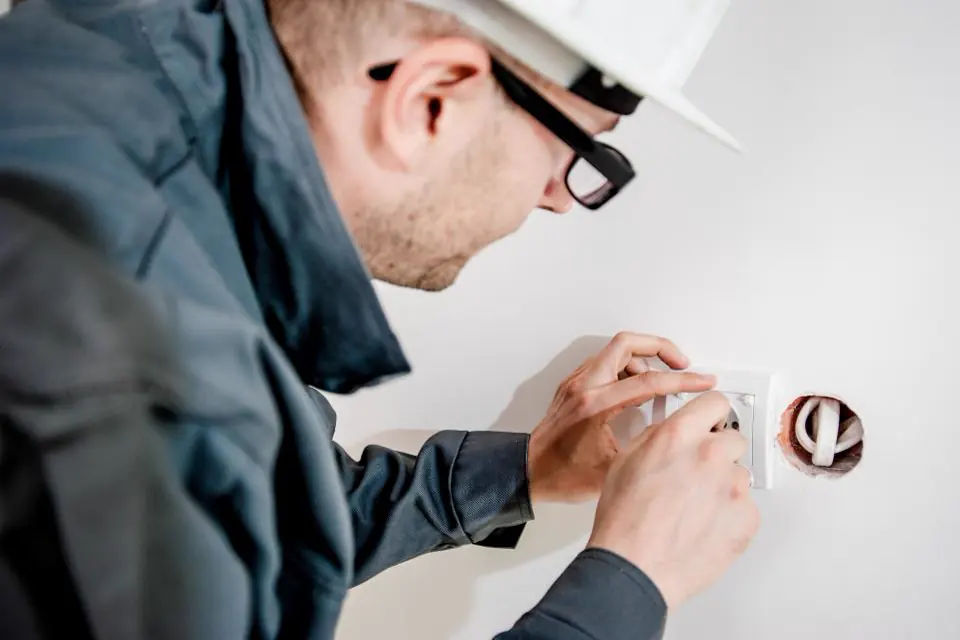
A burning smell from a plug socket usually means something is overheating: a loose connection behind the socket, an overloaded extension lead, a damaged plug or worn socket contacts. Stop using the socket straight away. If you see smoke or flames, get out and call 999. Otherwise, switch off at the main switch on your consumer unit if it is safe to reach and dry, leave the socket alone, and have an electrician check it before it is used again.
What to do straight away
- If there is smoke or flame, leave. Get everyone out, close the door behind you and call 999. Do not throw water on it.
- Do not touch the plug or socket if it is hot, discoloured, melted or smoking. Overheated plastic can be soft, and the metal parts inside can be live.
- Switch off at the main switch on your consumer unit, if it is safe to reach and dry. This removes power from the socket without you having to handle it.
- Once the power is off, unplug the appliance if the plug is cool and undamaged. If the plug has melted into the socket, leave it for the electrician.
- Check nearby rooms. A smell can travel, so check other sockets, switches, light fittings and the consumer unit. Note anything warm, discoloured or noisy.
- Leave it off and call an electrician. Do not use the socket again until it has been inspected, even if the smell goes away. Our emergency electrician line is on 07973 781349.
Turning off the whole house is inconvenient, but it is the safe option until someone qualified has isolated the faulty circuit and restored power to the rest of the property.
Common causes of a burning smell from a socket
- Loose terminals. The screws that hold the cables inside a socket can work loose over time, particularly where heavy loads heat and cool the connection every day. A loose connection has higher resistance, gets hot, and can scorch the socket from behind before you see anything on the front.
- Overloaded extension leads. A standard extension lead is rated at 13A in total, however many outlets it has. Running a heater, kettle or tumble dryer through one, or plugging one extension lead into another, can push it past that limit.
- Damaged or poor-quality plugs. Cracked casings, bent pins, loose cable grips and non-standard plugs or travel adaptors make poor contact, which causes heat. Plugs should be made to BS 1363 and fitted with the correct fuse for the appliance.
- Worn socket contacts. Sockets that have been used heavily for years, or where plugs are pulled out by the cable, can lose their grip on the pins. A plug that falls out easily or feels loose is a warning sign.
- Arcing. When a connection is poor, electricity can jump across the gap. Arcing produces intense local heat, blackening and a sharp burning smell, and it can ignite nearby materials.
- A faulty appliance or charger. Sometimes the smell is coming from the appliance or its charger rather than the socket. Unplug it once the power is off and do not use it again until it has been checked.
Warning signs to look out for
Overheating sockets often give warnings before they fail. Look out for:
- Brown or black scorch marks around the pin holes or the edge of the faceplate
- A faceplate or plug that feels warm in normal use. A socket should not feel noticeably warm.
- Crackling, buzzing or fizzing from the socket or plug
- A fishy or hot plastic smell, especially while something high-powered is running
- Plugs that are discoloured or warped, or have soft or melted plastic
- Lights that flicker when an appliance is switched on at a particular socket
- The circuit breaker or RCD for that circuit tripping for no obvious reason
If you notice any of these, stop using the socket and have it checked. If the circuit has also been tripping, our guide to why a fuse board keeps tripping explains what the different switches are telling you.
What the electrician will do
An electrician will isolate the circuit, remove the socket and inspect the connections, the cable and the back box. Loose terminals are remade, heat-damaged cable is cut back or replaced, and a scorched socket is replaced. We then test the circuit to BS 7671, because one overheated connection can be a sign of others on the same circuit. If the damage points to a wider problem, such as old wiring or a circuit carrying more than it was designed for, we will explain what we found and what the options are. For a room that relies on extension leads, an extra socket or a dedicated circuit is often the simple fix, and it is part of our installation work.
How to prevent it
- Keep the total load on an extension lead under 13A. As a rough guide, a 3kW appliance such as a heater or kettle uses almost all of that on its own.
- Plug high-powered appliances such as heaters, tumble dryers, washing machines and kettles directly into a wall socket, not an extension lead
- Never plug one extension lead into another, and avoid block adaptors
- Replace plugs, leads and chargers that are cracked, damaged or warm in use
- Buy chargers and adaptors from reputable sellers, as cheap unbranded ones may not meet UK safety standards
- Charge e-bike and e-scooter batteries with the manufacturer's charger, and not while you are asleep or out
- Pull plugs out by the plug body, never by the cable
- Have the installation inspected periodically. An Electrical Installation Condition Report (EICR) will pick up loose connections, heat damage and overloaded circuits before they cause trouble. The usual recommendation for owner-occupied homes is every 10 years, and rented homes in England need one at least every 5 years.
If a socket in your home smells like burning, or you can see scorch marks, call 07973 781349.
Written by A Walsh ElectricalNAPIT-approved electricians based in Buckhurst Hill, looking after homes and businesses since 1999.